What the Listing Won't Tell You: The Lake Minnetonka Buyer's Due Diligence Checklist
Part 3 of 4 — The Insider's Guide to Buying on Lake Minnetonka By Vicki Peters | Lake Minnetonka Resident & Wayzata Luxury Real Estate Specialist
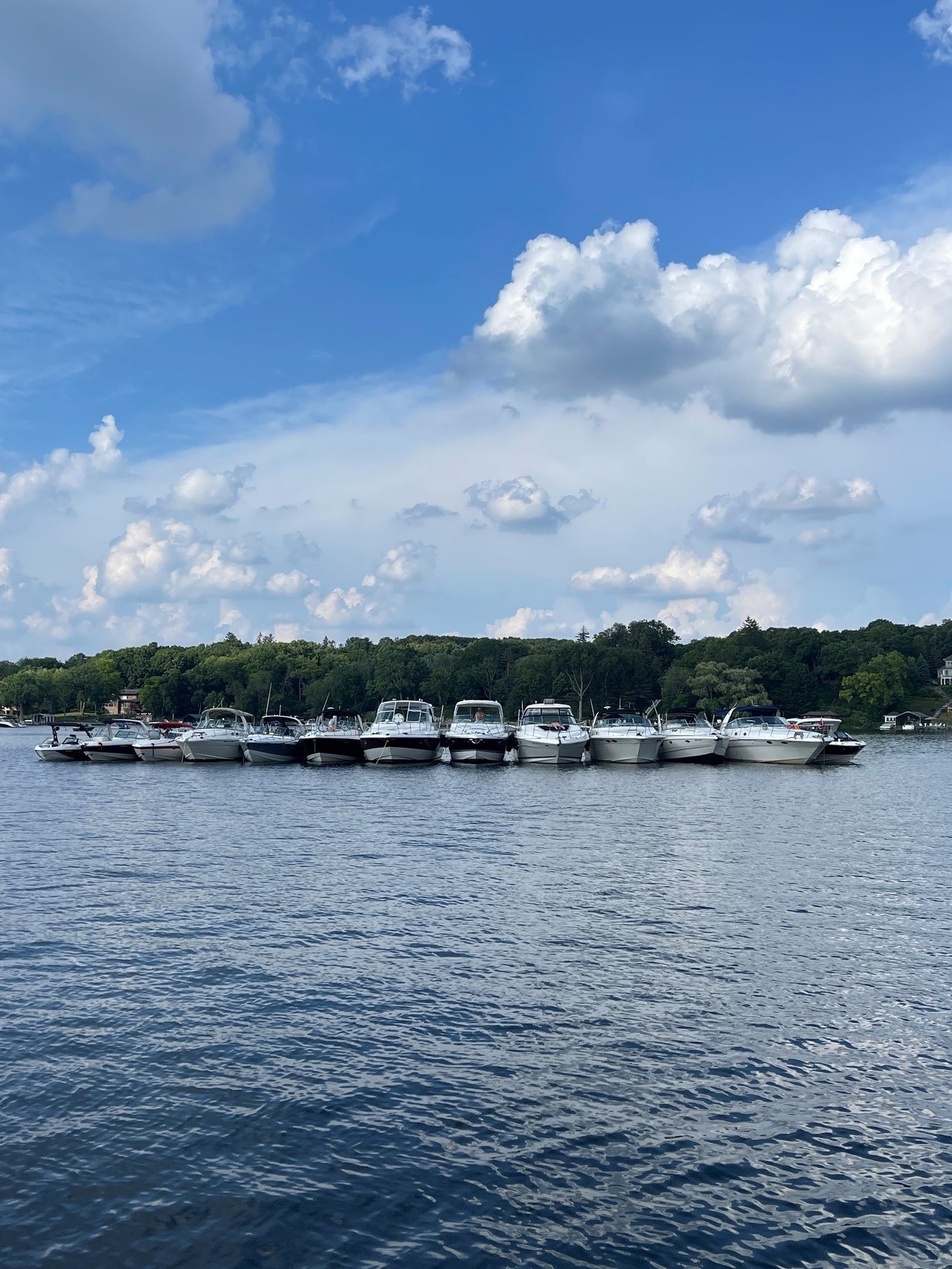
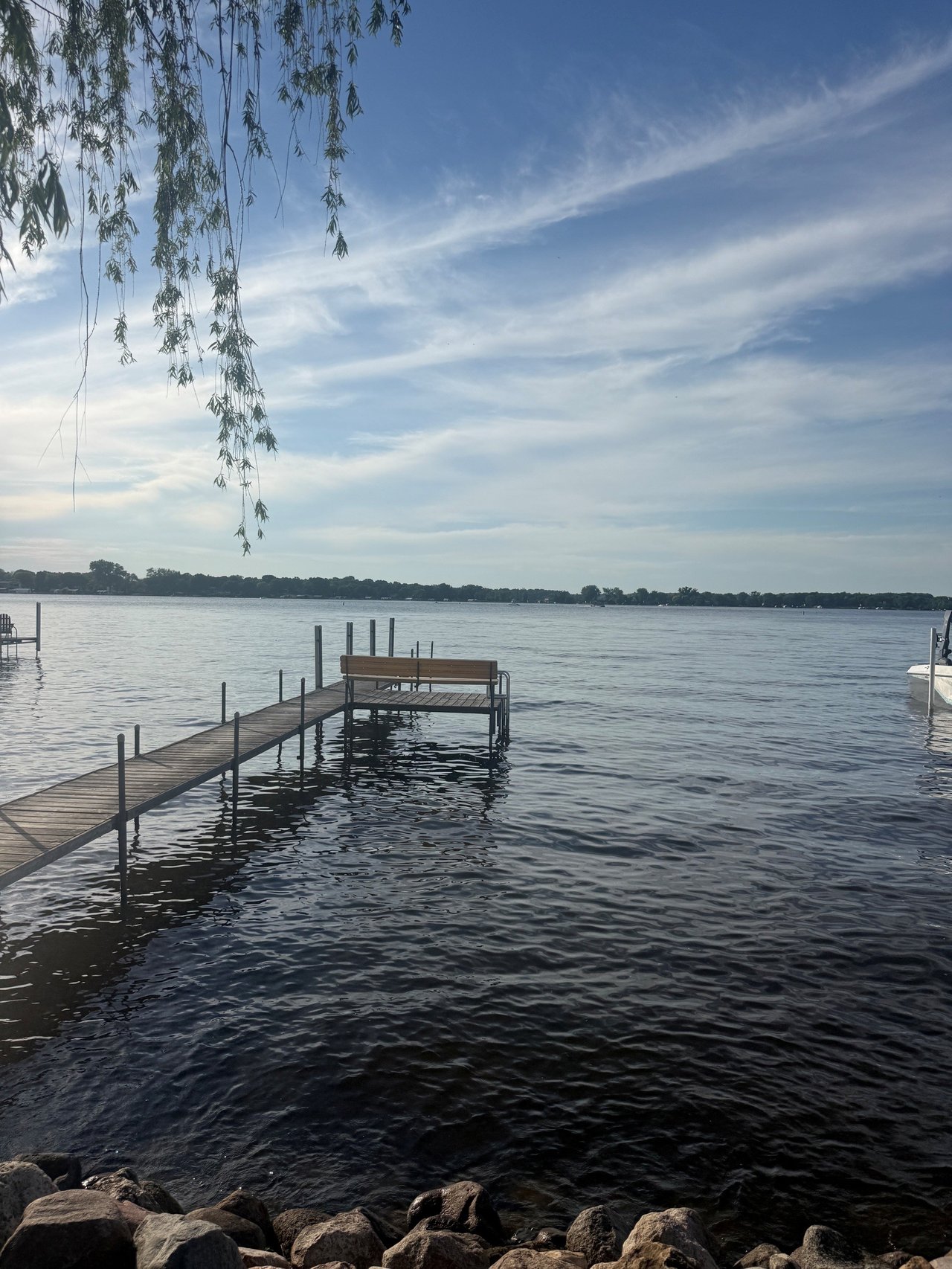
The MLS listing photo of the dock is the single most misleading piece of information in Lake Minnetonka real estate.
It shows a boat. It shows water. It implies that what you see is what you get. What it doesn't show is whether that dock is permitted, whether the water access is owned or merely borrowed through an easement, whether the water depth at the end of the dock will actually float your boat by August, or whether the seawall holding the whole property out of the lake is quietly failing.
I've walked buyers through enough Lake Minnetonka waterfront homes to know exactly where the surprises hide. They rarely hide in the kitchen. They hide in the eighteen inches between the high water mark and the property line — in language buried in a forty-year-old easement, in a permit that was never filed, in a water depth reading nobody bothered to take.
This is Part 3 of my four-part guide to buying on Lake Minnetonka, and it's the part most agents skip. Here's everything the listing sheet leaves out — and the exact questions to ask before you write an offer.
Lake Access Is Not One Thing — Know Which Kind You're Buying
The first and most consequential due diligence question on any Lake Minnetonka property: what kind of lake access does this property actually have?
These are not interchangeable products, even though listing language often blurs the line:
Fee-owned lakeshore means you own the land down to the water's edge, including the riparian rights that come with it. This is the highest level of control available, though it's still subject to LMCD and DNR regulation.
Deeded easement access means you have a recorded legal right to cross or use a specific strip of someone else's land, or a shared parcel, to reach the water and install a dock — without owning the shoreline itself. Many Deephaven and lake-adjacent neighborhoods feature small access strips or community docks serving a handful of homes this way. The scope of what you're allowed to do is defined entirely by the language in that recorded document — not by what the seller tells you, and not by what the neighbors have always done. This type of access saves you money!
Association or multiple-dock access means your right to the water flows through a homeowners' association or a city program. The City of Mound, for example, maintains common land dedicated to a multiple dock program, and several other lake communities have similar riparian rights through HOAs or municipal programs. This is a very special, specific program and is unique.
Why this matters more than buyers expect: dock permits in many jurisdictions are issued to the individual, not the property. That means a beautifully appointed dock you saw on your first showing may not automatically transfer to you at closing. Easements may provide shared riparian rights that affect setbacks and watercraft density under the LMCD Code — and not every easement allows the same things. Some restrict slip count. Some restrict structure size. Some are non-exclusive, meaning your "private" dock is technically shared with neighbors you've never met.
What to do before you write an offer: Have your attorney review the recorded easement or association documents in full — not a summary, the actual language. Confirm with the LMCD and the relevant city whether existing dock permits, slip assignments, or licenses are transferable to a new owner, and what (if anything) needs to be re-applied for after closing.
Water Depth: The Number That Determines Whether Your Boat Lifestyle Actually Works
A listing can say "private dock" without telling you a single thing about whether your boat will float at the end of it.
Lake Minnetonka's Ordinary High Water (OHW) level is 929.4 feet, and water levels fluctuate naturally — seasonally within a year, and year to year depending on rainfall and drought conditions. The LMCD monitors readings taken by the USGS and the Minnehaha Creek Watershed District, which manages water levels on the lake (and downstream) partly by operating the Grays Bay Dam.
What this means practically: a dock that has 4 feet of water at the end of it in a wet June can have significantly less by a dry September. Some bays are also more exposed to this fluctuation than others — east upper lake areas, for example, can see private docks left high and dry during low-rainfall stretches, while other deeper bays remain consistently navigable.
What to do before you write an offer: Ask for an actual, current water depth reading at the dock — not a verbal assurance, not what the listing photo implies. If you're buying in late summer or fall, understand that depth may be at its seasonal low at that exact moment, which is informative. If you're buying with a specific boat in mind — a 28-foot cruiser drafts very differently than a pontoon — confirm the depth meets your specific vessel's needs, not a generic "boats fit here" assumption.
Shoreline Condition: What's Holding the Property Out of the Lake
The shoreline itself — riprap, seawall, natural vegetation, sand — is one of the most expensive and most overlooked due diligence items on a Lake Minnetonka purchase.
Standard home inspections frequently do not cover docks, shorelines, seawalls, or water systems in meaningful depth. That gap can cost a buyer tens of thousands of dollars in a surprise repair within a year or two of closing.
A few specific risks to understand:
Erosion is an ongoing, structural issue on many bays, not a one-time event. Wildlife burrowing (otters and muskrats are common on Minnetonka), wave action, and water level fluctuation all contribute. A shoreline that looks intact in a single showing may have years of undermining behind it.
Seawalls and riprap fail gradually, then suddenly. Warning signs include soil displacement near the wall, visible gaps or settling, drainage that pools rather than flows away from the structure, and vegetation roots that have penetrated the structure. None of this shows up in an MLS photo.
You can be liable for your neighbor's erosion damage. If a seawall or riprap installation on your property fails and causes erosion onto a neighbor's land, the property owner bears responsibility for the resulting damage. This is a real liability question to understand before buying a property with aging or DIY shoreline work.
What to do before you write an offer: For any property where the shoreline structure (riprap, seawall, or retaining structure) is more than 10–15 years old, bring in a shoreline specialist for an assessment — not just your general home inspector. Ask directly about the history of any erosion control work, who performed it, whether it was permitted, and whether there have been any DNR or LMCD violations associated with the property.
Permits: The Paper Trail That Protects (or Exposes) You
This is the area where Lake Minnetonka buyers get burned most often, because permit problems are invisible until someone — a neighbor, the city, the LMCD — raises them.
Unclear permit status or missing records related to docks, shoreline work, or other structures can create real complications during buyer due diligence and slow or derail a transaction. This isn't a rare edge case; it's common enough that experienced agents on this lake treat dock and shoreline compliance as standard pre-offer due diligence, not an afterthought.
A few permit realities specific to this lake:
Generally, annual permits or licenses aren't required for single-family residential docks — but permits ARE required for permanent docks installed with machine-driven pilings, for dock extensions during officially declared low-water conditions, and for certain nonconforming dock or mooring situations that predate current rules (permits have been required for nonconforming docks since 1978).
Docks, decks, and platforms are restricted to a maximum of 8 feet in one dimension (length or width, not both) under LMCD rules, unless a specific variance has been granted.
Because the LMCD's jurisdiction spans 14 cities and crosses county lines, with overlapping state and local agency requirements, the regulatory picture on any given property can be more layered than a buyer — or even a casual seller — realizes.
What to do before you write an offer: Request documentation of all dock and shoreline permits directly from the seller, and independently verify status with the LMCD and the relevant city planning office — don't rely solely on what's provided. If the property has had any additions, a rebuilt dock, riprap work, or shoreline alterations within the last 10–15 years, ask specifically whether those were permitted and whether any violations or open enforcement issues exist.
Water Quality: A Number the Listing Will Never Mention-Keep in mind, do you really need an A bay or what are really the pro/cons of A compared to F.
Every one of Lake Minnetonka's 42 bays carries its own water quality rating from the Minnehaha Creek Watershed District, graded A through F, reflecting clarity and algae conditions through the season. This single rating affects swimming comfort, fishing productivity, and — over time — resale desirability. ***Remember what is the goal for buying on the lake, will you swim everyday and only want A rating or what are the pros and cons of A compared to F. There are A bays that the bottom is all muck compared to F bays that have sand, what is your goal for the lake?
Some bays consistently earn strong B ratings and 70–90% water clarity through most of the season. Others, particularly bays affected by limited circulation or nutrient loading, are rated lower where you can't swim off your dock, but is that what is important to you?
This is not disclosed on a listing sheet, and most buyers never think to ask.
What to do before you write an offer: Pull the current water quality rating for the specific bay from the Minnehaha Creek Watershed District, not just the lake as a whole — ratings vary meaningfully bay to bay. If swimming off the dock is part of your vision for lake life, this single data point should factor into your bay decision as much as boating access does.
Title and Survey: Where Boundary Disputes Actually Start
A current survey is non-negotiable on any Lake Minnetonka waterfront purchase, and not simply as a formality.
Shoreline boundaries can shift over time due to water level changes and erosion. A survey that's even ten years old may no longer accurately reflect actual lot lines, dock use areas, or easement boundaries. A fresh survey establishes parcel boundaries and reveals any recorded easements or encumbrances that a title search alone might not make obvious in plain language.
What to do before you write an offer: Order a current survey as part of your due diligence period, not after closing. Have your real estate attorney cross-reference the survey against the title commitment and any recorded easement language, specifically checking for discrepancies in dock use area boundaries, shared access points, or setback lines from the ordinary high-water mark.
The Complete Pre-Offer Question List-Keep in mind, lake homes are not perfect and what are you willing to be flexible on...
Here is the exact set of questions I walk every buyer client through before we submit an offer on a Lake Minnetonka waterfront property:
On access and rights: Is this fee-owned shoreline, a deeded easement, or association/multiple-dock access? If an easement, have I personally read the full recorded language? Does the existing dock permit transfer to me, or do I need to reapply?
On water and depth: What is the current water depth at the end of the dock? How does that compare seasonally? Does it support the specific boat I plan to keep here?
On shoreline condition: How old is the riprap or seawall? Has it ever failed or required repair? Is there any history of erosion-related disputes with neighboring properties?
On permits and compliance: Are all existing structures — dock, boathouse, additions, shoreline alterations — permitted? Has the city, county, or LMCD ever issued a violation notice on this property?
On water quality: What is this specific bay's current water quality rating from the Minnehaha Creek Watershed District?
On boundaries: When was the last survey completed? Does it match the legal description in the title commitment?
Why This Is Where the Right Agent Earns Their Fee
Every item on this list is something a generalist agent might gloss over — not from negligence, but because they don't work this lake daily and don't know which questions matter here. I do, because I live here and I've walked enough Lake Minnetonka transactions through closing to know exactly where the landmines tend to sit.
This is the work that happens before you fall in love with a property, not after. The buyers who skip it are the ones who discover, eighteen months into ownership, that their dock can't be rebuilt the way they assumed, or that their "private" water access is actually shared with three other families, or that the seawall they inherited needs a $60,000 rebuild they didn't budget for.
None of that has to be a surprise. It just requires asking the right questions, with the right people, before you're emotionally and financially committed.
If you're actively shopping the Lake Minnetonka market and want a due diligence partner who already knows where to look, let's talk before you write your next offer.
Frequently Asked Questions: Lake Minnetonka Due Diligence
What is the difference between fee-owned lakeshore and deeded lake access on Lake Minnetonka? Fee-owned lakeshore means you own the land down to the water, including riparian rights, subject to LMCD and DNR regulation. Deeded lake access is a recorded easement granting use of someone else's land or a shared parcel to reach the water — without owning the shoreline. The two are fundamentally different products with different rights, and buyers should always review the full recorded easement language with an attorney before purchasing an access-only property.
Do dock permits transfer automatically when you buy a Lake Minnetonka home? Not always. Dock permits in many cases are tied to specific structures and uses rather than automatically following ownership. Buyers should confirm directly with the LMCD and the relevant city whether an existing dock permit transfers with the sale or requires reapplication after closing.
Is a regular home inspection enough for a Lake Minnetonka waterfront property? No. Standard home inspections frequently do not adequately cover docks, seawalls, shoreline structures, or water systems.
How do I find the water quality rating for a specific bay on Lake Minnetonka? The Minnehaha Creek Watershed District publishes water quality ratings (graded A through F) for individual bays on Lake Minnetonka, reflecting clarity and algae conditions. Ratings vary meaningfully by bay, so buyers should check the specific bay they're considering rather than assuming the entire lake shares one rating.
Can water levels affect dock usability on Lake Minnetonka? Yes. Lake Minnetonka's water levels fluctuate naturally by season and year depending on rainfall and drought conditions, monitored by the LMCD using USGS and Minnehaha Creek Watershed District data. Some bays see docks left with significantly reduced usable depth during low-water periods. Buyers should request a current water depth reading rather than relying on listing photos or seller assurances.
Who is responsible if a seawall failure causes erosion on a neighboring Lake Minnetonka property? Property owners are generally responsible for damages their shoreline structures cause to neighboring properties if those structures fail due to improper installation or maintenance. This is a real liability consideration for any buyer inheriting an older or non-engineered seawall or riprap installation.
Authoritative Resources for Lake Minnetonka Buyers
- Lake Minnetonka Conservation District (LMCD) — dock permitting, easement guidance, water level monitoring, and shoreline owner resources
- Minnesota DNR — Shoreline Alteration & Dock Permits — statewide dock and shoreline regulation standards
- Minnehaha Creek Watershed District — bay-by-bay water quality ratings and water level data
- City of Wayzata — local permitting and zoning resources
- Wayzata Area Chamber of Commerce — community and business resources
Vicki Peters is a Lake Minnetonka resident and Wayzata luxury real estate specialist. She lives in the community she serves and brings hands-on due diligence experience — dock rights, easements, permits, and shoreline condition — to every buyer relationship on this lake. View current Lake Minnetonka waterfront listings | Contact Vicki Peters
© 2026 Vicki Peters Real Estate. Information is believed accurate but not guaranteed. Buyers should independently verify all permit, easement, and regulatory information with the LMCD, Minnehaha Creek Watershed District, and applicable city and county authorities, and should consult a real estate attorney before purchase.