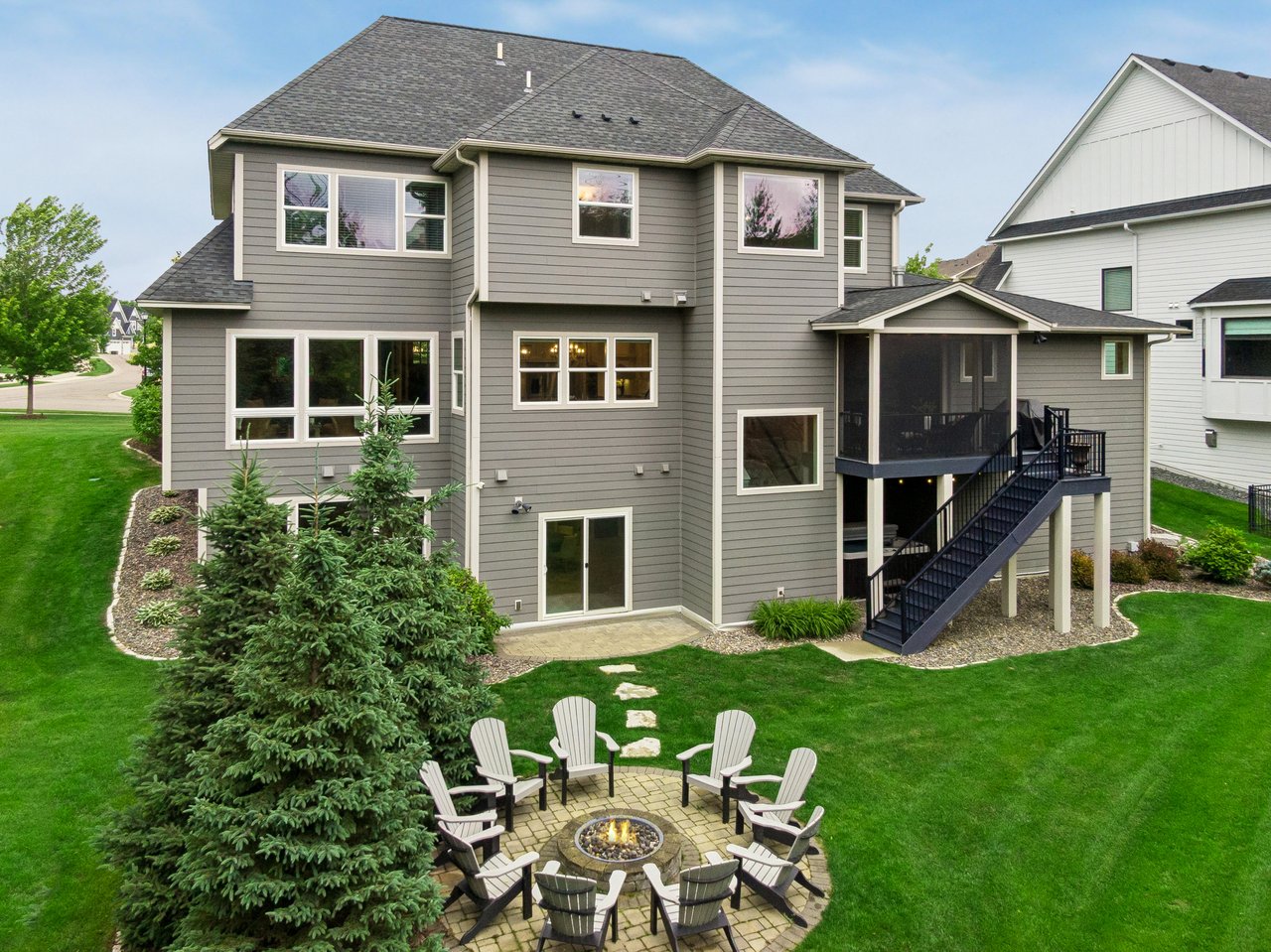
The honest version of "what's it like to move to Minneapolis?"
If you're typing moving to Minneapolis into a search bar right now, you've probably already read ten guides that sound like brochures. Here's the version I give people over coffee.
I live here — in Wayzata, on Lake Minnetonka, in the West Metro that most relocating families eventually gravitate toward. I'm not describing the Twin Cities from a desk in another state. I drive these neighborhoods, I know which bays freeze first, and I know which school district lines actually move home values. That difference matters more than any single statistic in this post, and it's the reason this guide leads with numbers instead of adjectives.
So let's talk about what it genuinely costs to live here, what the 2026 market is doing, and where people who relocate to Minneapolis tend to land once they understand the lay of the land.
What does it cost to live in Minneapolis?
The headline most newcomers find reassuring: Minneapolis delivers big-city amenities at a Midwest price. Overall cost of living runs only modestly above the national average, while housing costs sit meaningfully below it — roughly 18% under the U.S. average, according to cost-of-living comparisons compiled by ExtraSpace. Against the metros people are usually leaving — San Francisco, New York, Seattle, even Denver and Austin — your housing dollar stretches dramatically further here.
That affordability is backed by a genuinely diverse economy. The Twin Cities is home to one of the highest concentrations of Fortune 500 headquarters in the country — Target, UnitedHealth Group, 3M, Best Buy, General Mills, U.S. Bancorp and more — which keeps unemployment low (hovering around 3.9%) and the job market resilient across healthcare, finance, retail, manufacturing, and tech.
And then there's the lifestyle math that doesn't show up on a spreadsheet: the Minneapolis park system has been ranked #1 in the nation by the Trust for Public Land, the Chain of Lakes is woven through the city, and Minneapolis–St. Paul International Airport (MSP) is roughly 20 minutes from most central neighborhoods — a real convenience when relocation means frequent flights home.
The 2026 Twin Cities housing market, in plain English
Here's where having a local read on the data pays off, because the national headlines and the West Metro reality aren't the same story.
Across the Twin Cities metro, the median sales price is around $390,000, with single-family detached homes closer to $429,000, per Minneapolis Area REALTORS® market reporting. Within the city of Minneapolis itself, the median sits near $355,000. Statewide, Minnesota Realtors noted that metro prices softened modestly into spring 2026 — the gentlest stretch the market has seen in over a decade — as inventory recovered.
That last point is the one relocating buyers should circle. Inventory is up year-over-year, with the metro now carrying roughly two to three months of supply. After the razor-thin selection of recent years, that's a real shift. The frantic, sight-unseen bidding wars have cooled into something closer to a balanced market: homes are taking a bit longer to sell, sellers are more open to negotiation, and buyers finally have time to do proper due diligence instead of waiving every contingency in a panic.
Thirty-year mortgage rates have settled into the high-6% range — not the 3% of 2021, but a number most buyers have made peace with. The practical takeaway: 2026 is a more forgiving market for a prepared, out-of-state buyer than any year since the pandemic. You can be selective. You can negotiate. You can ask questions. But you still need someone local steering, because the metro-wide averages hide enormous variation by submarket — and the submarket you'll likely care about is the West Metro.
Where relocating buyers actually land: the West Metro
Every spring, families across the country search moving to Minnesota, relocating to Minneapolis, and best suburbs near Minneapolis. And while the city itself is wonderful, the relocating buyers I work with — executives, professionals, growing families — overwhelmingly land in the West Metro: Wayzata, Minnetonka, Orono, Medina, Plymouth, and Edina.
The reason is a specific combination you can't easily find elsewhere in the Midwest:
- Top-ranked school districts. Wayzata and Minnetonka public schools rank among the strongest in Minnesota — verify current district rankings yourself on Niche. For families relocating mid-career, the school district line is often the single biggest driver of where they buy.
- Lake Minnetonka. This is the West Metro's crown jewel — a 14,000-acre lake with distinct bays, each with its own character and price profile. (More on that below, and on my Lake Minnetonka community pages.)
- Strong, durable property values in the move-up and luxury tiers, where homes commonly run $600,000 to $900,000+ and waterfront climbs well beyond at $1 million plus.
- A 20–30 minute commute to downtown Minneapolis, so you get suburban space and lake access without surrendering big-city access.
The inner-ring, top-school suburbs — Edina, Minnetonka, Eden Prairie — carry the metro's higher medians precisely because demand for them never really softens. That's the part of the market a national headline about "falling prices" will mislead you on.
If you want the deeper breakdown of which suburb fits which kind of family, I wrote a companion guide: Moving to Minneapolis in 2026: Best Suburbs, Schools, and Neighborhoods. Read this post for the money and market picture; read that one for the which-town-is-me picture.
A word on Lake Minnetonka — and why "they aren't making more lakeshore"
Most relocating buyers underestimate how much the lake drives the West Metro until they spend a weekend here. Lake Minnetonka isn't one body of water; it's a network of bays — Wayzata Bay, Crystal Bay, and a dozen more — each with its own depth, boat traffic, sunset orientation, and personality. Dock rights, shoreline regulations, and water access vary bay to bay, governed by bodies like the Lake Minnetonka Conservation District (LMCD) and the Minnesota DNR.
Here's the durable truth underneath every waterfront conversation: shoreline is finite. They aren't making more lakeshore. In a metro where inventory ebbs and flows, the supply of true Lake Minnetonka frontage only ever shrinks as parcels consolidate. That scarcity is exactly why waterfront here has held value through every market cycle I've worked — and why understanding the bay-by-bay differences before you fall in love with a listing is one of the most valuable things a resident agent brings to the table.
So, is now a good time to move to Minneapolis?
For a financially prepared buyer — stable income, solid credit, a realistic range — 2026 offers something the frenzy years didn't: breathing room. More inventory, less competition, more negotiating leverage, and time to actually evaluate a home. Prices have stabilized rather than collapsed, which means you're unlikely to "wait out" a big drop, but you're also no longer paying a panic premium. In the west metro, there is not time to breathe, every home I've sold has sold in 1 weekend this spring and summer market.
The buyers who do best are the ones who pair that favorable market with local guidance. Relocating from out of state means you don't yet know which streets flood, which district line is worth $50,000, or why one bay commands a premium over the next. That's the gap I close.
Let's plan your move
If you're considering moving to Minneapolis or the broader Twin Cities, the West Metro is the smartest place to start your search — and I'd genuinely enjoy helping you navigate it. Whether you're after lakefront on Lake Minnetonka, a family home in a top school district, or a luxury property near everything, the right local guidance changes the entire experience.
- Browse current listings: Search West Metro & Lake Minnetonka homes
- Curious what your current home is worth? Get a home valuation
- Ready to talk? Contact Vicki Peters and let's plan your move to Minnesota.
Frequently Asked Questions
Is it cheaper to live in Minneapolis than other big cities? Generally, yes. Minneapolis offers big-city amenities — a top-ranked park system, Fortune 500 employers, a strong dining and arts scene — with housing costs roughly 18% below the U.S. average and an overall cost of living only modestly above it. Compared with coastal metros like San Francisco, New York, or Seattle, your housing dollar stretches significantly further.
What is the median home price in the Twin Cities in 2026? As of early-to-mid 2026, the Twin Cities metro median sales price is around $390,000, with single-family detached homes closer to $429,000. The city of Minneapolis median sits near $355,000. West Metro suburbs with top schools — Edina, Minnetonka, Eden Prairie — commonly run $600,000 to $900,000+, and Lake Minnetonka waterfront goes well above that.
Is 2026 a good time to buy a home in the Twin Cities? For prepared buyers, it's one of the better windows since the pandemic. Inventory is up year-over-year to roughly two to three months of supply, competition has cooled from the frantic bidding wars of recent years, and sellers are more open to negotiation. Prices have stabilized rather than fallen sharply, so waiting for a big drop isn't a reliable strategy.
Where do most people relocating to Minneapolis choose to live? Relocating families and professionals overwhelmingly choose the West Metro — Wayzata, Minnetonka, Orono, Medina, Plymouth, and Edina — for the combination of top-ranked schools, Lake Minnetonka access, strong property values, and a 20–30 minute commute to downtown Minneapolis.
Why work with a local Realtor when relocating to Minneapolis? A resident agent knows the things no national listing portal can tell you: which school district lines actually move home values, how Lake Minnetonka's bays differ in price and character, dock and shoreline rules, and which neighborhoods fit your lifestyle. When you're buying in a metro you don't yet know, that local knowledge is the difference between a good decision and an expensive guess.